Webinar insights: Graduate Certificate in Education (Innovative Learning Design)
Transcript
Graduate Certificate in Education (Innovative Learning Design)
Access now
Frequently asked questions
You will learn how to design effective online learning experiences for adult learners. The course covers areas such as inclusive learning design, learning outcomes, constructive alignment, online learning environments, AI, learning analytics and the purposeful use of technology.
Yes. The course may suit teachers who want to move into learning design, adult learning, professional development or online education. It can also suit people from other professional backgrounds who are interested in designing learning experiences.
Yes. Many students study while balancing work and personal commitments. Each unit requires about 12 to 15 hours of study per week, including readings, discussion board participation, live sessions and assessment activities.
Introduction and housekeeping
Maggie Hill: Hello everyone. My name is Maggie Hill, and I’ll be hosting this evening’s webinar on QUT Online’s Graduate Certificate in Education (Innovative Learning Design.) Tonight’s session is designed to give you a clear understanding of the course from both an academic and practical perspective, and to help you decide whether this course is the right next step for your career.
Before we begin, I’d like to let you know that the session is being recorded and will be made available on the QUT Online website at a later date. I’d also like to acknowledge the Traditional Owners of the lands on which we meet today, as well as the Turrbal and Yuggera people, the First Nations Owners of the lands where QUT now stands. I pay my respects to Elders past and present, and acknowledge the important role Aboriginal and Torres Strait Islander peoples continue to play in the knowledge, leadership and care of communities.
Course overview and speakers
Maggie Hill: This webinar will give you an overview of the course content, learning outcomes and practicalities of studying online for the Graduate Certificate in Education focused on innovative learning design. You’ll hear from senior curriculum and learning designer Angela Carden, who will discuss the evolving landscape of online learning and the skills needed to design effective learning experiences. We’ll also be joined by Dr Bianca Frost, who will share insights into the student experience, the types of learners who thrive in this course, and how to balance study with work and life commitments.
We’ll wrap up with a Q&A, so please feel free to add your questions to the Q&A chat at any time and we’ll do our best to get to them during the webinar.
Learning design and the future of online education
Maggie Hill: It’s now time to welcome our first speaker, Angela Carden. Angela is a senior curriculum and learning designer at QUT Online. Her work focuses on designing high-quality, inclusive and engaging online learning experiences for adult learners. She brings extensive experience in learning design across higher education and has a particular interest in how digital environments can expand access to education. Angela, thanks for being here this evening.
Angela Carden: Thanks, Maggie.
Maggie Hill: Let’s begin by talking about the broader context for online learning, which we know is growing rapidly. What trends are you seeing in the sector, and what does this mean for the future of learning design?
Angela Carden: As you said, it is growing rapidly. With people having multiple careers across their lives, there has been a shift in how we think about learning. Lifelong learning means more people want access to short courses, particularly online short courses, including courses they can complete on the move on mobile phones and tablets.
There is also a lot of asynchronous learning, where learners can study in their own time rather than only through live sessions. Generative AI is another major area. It is changing how we think about personalising learning. Learning analytics are also growing because online learning provides more data about how students engage.
Maggie Hill: Amazing. People might assume online learning is simply taking a lesson delivered in the classroom and moving it online. Can you talk about what goes into creating an effective online learning experience?
Angela Carden: A lot of people do think it is just putting content online, but learners expect much more than that. As people become more familiar with online learning, they expect more than simply seeing content in a space.
If you have experience designing face-to-face learning and are moving into online learning, one of the key things to consider is how you build extra scaffolding around the materials. You also need to think about opportunities for social learning, choice, empowerment and flexibility, because these are things online learners expect.
Career pathways in learning design
Maggie Hill: What types of roles and career pathways exist in this space?
Angela Carden: Learning designers work in formal education spaces, including vocational education, RTOs, higher education and universities. They also work in corporate environments, including HR, health and safety, leadership development and broader professional development.
There are also opportunities in not-for-profit organisations. I recently travelled through Western Australia and saw a QR code at a petrol station for an online learning course developed by a not-for-profit with the local Aboriginal community, so people could learn more about that community. There are many different fields where you can work as a learning designer.
Maggie Hill: I can imagine those opportunities are growing, given the increased uptake of online learning.
Angela Carden: Definitely. There are also different career paths, from instructional design, which can be more focused on using technology and tools to place content on a page, through to learning design, senior learning design and curriculum design, where you are working with larger and more complex courses.
What sets this course apart
Maggie Hill: Tonight we’re talking about the Graduate Certificate in Education, which is focused on innovative learning design and delivered by QUT Online. What sets this course apart from other learning opportunities currently available in the field?
Angela Carden: This course has a particular focus on online adult learning. One of its key differentiators is its focus on inclusive learning design. One unit, which makes up 25% of the graduate certificate, is dedicated to inclusive learning design.
That means looking at how we design so learners of all abilities and backgrounds can participate without needing to put their hand up and ask for adjustments. It is about designing inclusively from the beginning. The course also considers culturally and linguistically diverse learners, Indigenous Australian perspectives, trauma awareness, and learners who may be managing complex circumstances while participating in a learning experience.
Transitioning into learning design
Maggie Hill: For participants who might be considering transitioning out of the classroom or into a new education-focused career, what is one thing you would want them to know about learning design as a profession?
Angela Carden: There is a lot of variety and opportunity. It is an exciting and growing field, with plenty of opportunity to make your mark. A real strength for learning designers is empathy with the learner experience.
For people transitioning out of the classroom, particularly school teachers, that empathy with the learner experience is often a strength. But anyone who has been a learner can tap into that empathy and bring it into learning design.
Maggie Hill: Thank you so much, Angela. I really appreciate those insights. As mentioned earlier, we’ll have a Q&A segment at the end of the webinar, so if you have any further questions for Angela, please add them to the Q&A section.
Student support and online learning experience
Maggie Hill: I’d now like to welcome our second speaker, Dr Bianca Frost. Bianca is an academic delivery lead who supports students through their study journey. She also brings deep expertise in learning design and adult education, and has worked closely with students transitioning into this field from a wide range of professional backgrounds. Welcome, Bianca.
Dr Bianca Frost: Hello. Thank you, and hello everyone.
Maggie Hill: To start with, can you tell us a little bit about your role and how you support students undertaking this course?
Dr Bianca Frost: As an Online Learning Advisor, our role is to support online students every step of the way. That includes onboarding students into the unit and helping them navigate Canvas, the learning management system used in the course. We also help students understand their learning requirements and work through different concepts each week.
We monitor asynchronous discussion boards every week and have a presence there every 48 hours to support students with scaffolded activities set by the learning design team. Those activities feed into what students add to their assignments week by week. We also provide feedback, support students’ wellbeing, run regular live sessions through Zoom, and provide assessment feedback.
Maggie Hill: You’ve worked extensively in learning design yourself. How does your professional experience shape the way you support students in the course?
Dr Bianca Frost: The role of the Online Learning Advisor is to connect theory to practice in an academically robust way that is meaningful for students. Some students are already working in the field and others are new to it, so they are learning new theories, frameworks and models. We draw on our professional experience as learning design practitioners to bring those concepts to life in a practical way.
Student backgrounds and study support
Maggie Hill: What student backgrounds do you typically see in this course, and how do their diverse perspectives enrich the experience for others?
Dr Bianca Frost: Learning designers come from many different backgrounds. My original background was in media, advertising, communications and creative writing. A common pathway is for people already working in education, such as teachers in the K–12 sector, who are looking to move into adult learning, change careers, or support professional development in their current setting.
We also see subject matter experts and people who have moved into training and development from other fields. For example, I recently worked with a chef who moved into the VET sector, followed his interest in education and became a learning designer. It is a very diverse field.
Maggie Hill: Many students may be working full-time or juggling personal commitments. How do you see them managing online study alongside those responsibilities?
Dr Bianca Frost: We are working with adult online learners, and most do not have the option to study full-time. Each unit requires about 12 to 15 hours of study per week, including readings, discussion board participation, responding to feedback, attending live sessions and working through activities that build towards assignments.
The workload is spread across the teaching period, so students are not left with one large, unexpected piece of work when an assignment is due. QUT also offers a range of support resources, including academic skills support, online study support, digital literacy support, library services, counselling, financial support and wellbeing resources. I always tell students that one of the best sources of support is each other, including the Online Learning Advisor and the learning cohort.
Collaboration and workplace application
Maggie Hill: How do students interact with each other, and how does participation happen in the course?
Dr Bianca Frost: Students use asynchronous discussion boards each week to post and share their work, seek feedback and provide feedback to others. They can also participate in live sessions and contact their Online Learning Advisor by email. We encourage active participation and aim to create a supportive sense of community.
Students can be as involved as they are comfortable being. Some start out hesitant, but once they are in the environment and realise others feel the same way, they often connect with peers. The Study Buddy program also gives students a private space to connect with people inside the unit and across learning groups.
Maggie Hill: It sounds very collaborative. Before we head into the Q&A, can you share an example of how you’ve seen a student apply course concepts directly to their workplace?
Dr Bianca Frost: Students start from the foundations. They practice writing learning outcomes, constructively aligning those outcomes to what learners should be able to do by the end, and intentionally aligning learning outcomes, learning activities and assessments. They also consider the purposeful use of technology, inclusive design, ethics, equity and data security in online learning environments.
Q&A: AI, course content and learning design frameworks
Maggie Hill: The first question is about AI. Have you seen AI impacting learning design, and should people interested in this career be concerned about its impact?
Angela Carden: AI is a helpful tool in learning design, and more tools are becoming available. However, a key part of learning design is working with subject matter experts and others to distil what learners need to learn into a meaningful learning experience. That requires human interaction and a deep understanding of context. AI may make parts of the job easier, but learning designers will still be needed because so much of the role involves working with people.
Co-design is also an important part of the role. One unit includes an assessment built around co-designing a short course with someone, including developing learning outcomes and using questioning techniques to support co-design with a subject matter expert.
Maggie Hill: Is AI covered in the course content?
Angela Carden: Yes. The content is reviewed regularly because the field keeps shifting. There is a point in the course where students focus on AI and how it works, but AI is also threaded through every unit. Students consider how AI affects inclusive learning design, writing learning outcomes, reviewing data and other parts of learning design practice.
Maggie Hill: Can you expand on the frameworks, theories and models covered in the course?
Dr Bianca Frost: We look at constructive alignment, backwards design, communities of practice, gamification, AI, and the cognitive theory of multimedia learning. Angela can also speak to designing for learning and inclusive design.
Angela Carden: We look at Universal Design for Learning and how it is applied in an online learning environment, as well as the difference between applying Universal Design for Learning and meeting accessibility requirements. We also look at instructivist and constructivist approaches, including approaches such as inquiry-based learning, and how these are applied online with adult learners.
Q&A: Tools, content knowledge and practical application
Maggie Hill: Are instructional design authoring tools offered in the course, and is there software students should investigate before starting?
Angela Carden: We do not focus on specific authoring tools because there are many short courses available for learning particular tools. This course focuses on broader learning design skills. Assessments are set up so students can complete them without an authoring tool, although students who have access to an LMS such as Canvas or a tool such as Articulate Rise can choose to use them for assessment work.
Dr Bianca Frost: The course is not specifically about course authoring or learning management systems, although students do look at different learning ecosystems and some of the tools and platforms they might use. Students are not expected to be able to use those tools as practitioners before starting.
Maggie Hill: If someone is coming from teaching or a vocational trade background, does that limit the types of courses they can design? Is content knowledge a limiting factor in employment?
Dr Bianca Frost: No. The course teaches the foundations, theoretical principles and methodologies of learning design, and these can be applied in any context. Learning designers are not expected to be subject matter experts in every field. They work with subject matter experts and apply learning design frameworks to the content area.
Angela Carden: I agree. I work with people from different backgrounds who support courses outside their original field. For example, someone with a graphic design background might support nursing courses, while someone with a geology background might work across pharmacy or visual arts courses.
Maggie Hill: What is the balance between theory and practical course design across the units?
Angela Carden: Everything is about taking theory and applying it practically. For example, if students are learning about constructivism and instructivism, they then consider activities they could produce in an online environment for adults that apply those principles. With Universal Design for Learning, students critique a learning package so they can apply those principles in practice.
Dr Bianca Frost: One unit focuses on authentic learning and assessment. Across the graduate certificate, assessments are authentic and designed so students can apply theory in a controlled environment. Students might pitch ideas for an improved learning activity using inclusive design principles, research a technology and write a pilot proposal, or develop course overviews. The assessments allow students to practice applying theories and principles as they would in professional practice.
Q&A: Career pathways, terminology and networking
Maggie Hill: How can new learning designers get a foot in the door when many roles ask for multiple years of experience?
Dr Bianca Frost: There are many different roles and contexts for learning designers. Some organisations have learning associate roles that lead into learning coordinator, learning designer, senior learning designer, lead learning designer or curriculum designer roles. These pathways can be more structured in higher education and some corporate environments. It is also important to identify transferable skills and apply them to job searches.
Angela Carden: You do not need to have held a formal learning design or instructional design role to have relevant experience. If you have developed learning materials to onboard staff or support colleagues in your current role, that counts. Job ads may ask for a certain number of years’ experience, but that is often an ideal rather than a strict requirement.
Maggie Hill: Are the terms educational design, instructional design and learning design synonymous, or are there differences?
Angela Carden: There is not one single term. You may see educational design, learning design, instructional design and learning experience design. Sometimes instructional designer or learning design associate roles may be used for more entry-level work, but not always. Some instructional designer roles still expect a high level of complexity and experience working with subject matter experts.
Dr Bianca Frost: The terminology has changed over time and there is still a lot of crossover. Some roles focus more on design, while others also expect course authoring or building experience. Instructional design can sometimes refer to systems or process training, while learning design may involve more complexity, but it depends on the organisation. If you are looking for these roles, it is worth asking questions to understand how each employer uses the terms.
Maggie Hill: Are there networking opportunities for students who are completing the course, particularly around job opportunities?
Dr Bianca Frost: The units focus on networking within learning groups, with peers and with Online Learning Advisors. Recruitment is not a formally structured part of the course, although career options do come up in conversations with students.
Angela Carden: Students often connect with each other on LinkedIn after meeting in the course. Many of the pieces students produce during the course can also become part of a portfolio they use when applying for jobs.
Further study and closing remarks
Maggie Hill: Are there opportunities for further study once students have completed the course?
Angela Carden: Yes. This is a graduate certificate, but it is part of the Master of Education. Depending on prior study, students can complete the master’s degree in the equivalent of one year full-time or 18 months full-time. After the graduate certificate, students may add electives and research-focused units required for a master’s qualification.
Elective options include data analytics, project management, policy, and counselling and coaching-related units. These can support areas such as learning analytics, managing complex learning design projects, and working effectively with subject matter experts.
Dr Bianca Frost: There are also units in Indigenous studies and Indigenous learning perspectives.
Maggie Hill: Thank you. That is all we have time for this evening. If you are interested in the Graduate Certificate in Education focused on innovative learning design, visit the QUT Online website at qutonline.edu.au. There, you can download a course brochure or contact the team on 1300 104 196 during business hours if you have further questions.
Thank you to everyone who joined us this evening. I also want to thank Dr Bianca Frost and Angela Carden for sharing their insights into learning design and the QUT Online course. A recording of the webinar will be sent to the email address you registered with, so please keep an eye out for that. Thanks, everyone, and have a great evening.
This transcript is based on a recorded webinar and has been lightly edited for readability, clarity and conciseness. We’ve removed filler words, false starts, and repeated phrases (such as “um” and “ah”) without changing the meaning. All information remains accurate to the recording.
Webinar insights
As emergencies and disasters become more frequent, we need leaders ready to build resilience and keep communities safe
Creating the workforce our communities need to respond to this growing challenge.

Want to take your emergency and disaster management skills to the next level? Career pathways you may not have considered
A practical guide to roles, skills and how postgraduate study can help you lead in complex events.
From technical expert to strategic leader: how does the QUT Online MBA accelerate your next professional step in rapidly evolving business world?
As the world of business becomes more complex and ambiguous, many leaders want to develop the skills to effectively manage these challenges. The online MBA at QUT Online offers a flexible study option delivered by a globally recognised business school.

The need for skilled professionals who can respond to domestic violence
Domestic violence is a growing issue across Australia, creating urgent demand for professionals with the skills to respond safely and effectively. This blog explores why specialist training matters and how the QUT Online Graduate Certificate in Domestic Violence Responses prepares you for real-world situations. Learn how you can build practical, evidence-based skills to support victims and make a meaningful impact.
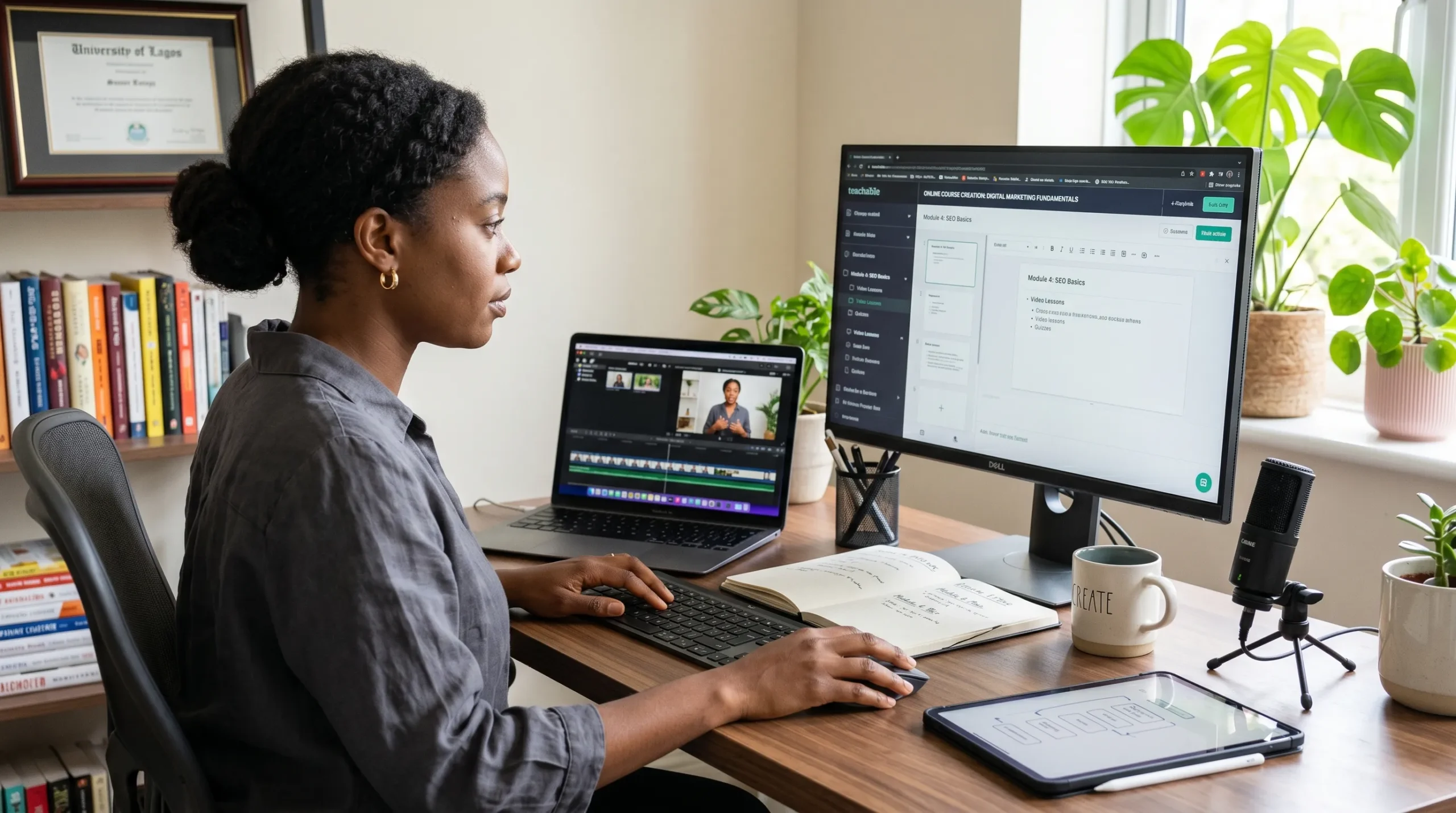
Is learning design a viable career path for teachers and educators?
As online learning expands, learning design has emerged as a growing career path for educators seeking a change. Discover how you can transition into a future-focused career shaping effective digital learning experiences.

Stepping into the growing career path of investigations and intelligence
It’s a career pathway that opens doors in many private companies and public sector organisations, but what does it take to get your foot in the door?

Thinking about a future in AI? Career pathways you may not have considered
A practical guide to roles and skills in demand across the IT landscape and how postgraduate study can help you lead in this rapidly evolving landscape.