Missed our webinar on the Graduate Certificate in Education (Innovative Learning Design)? Watch on demand now.
As online learning grows to include a breadth of accessible learning options, from short courses to postgraduate degrees, we look at the career opportunities in this space and how to make the transition into them.
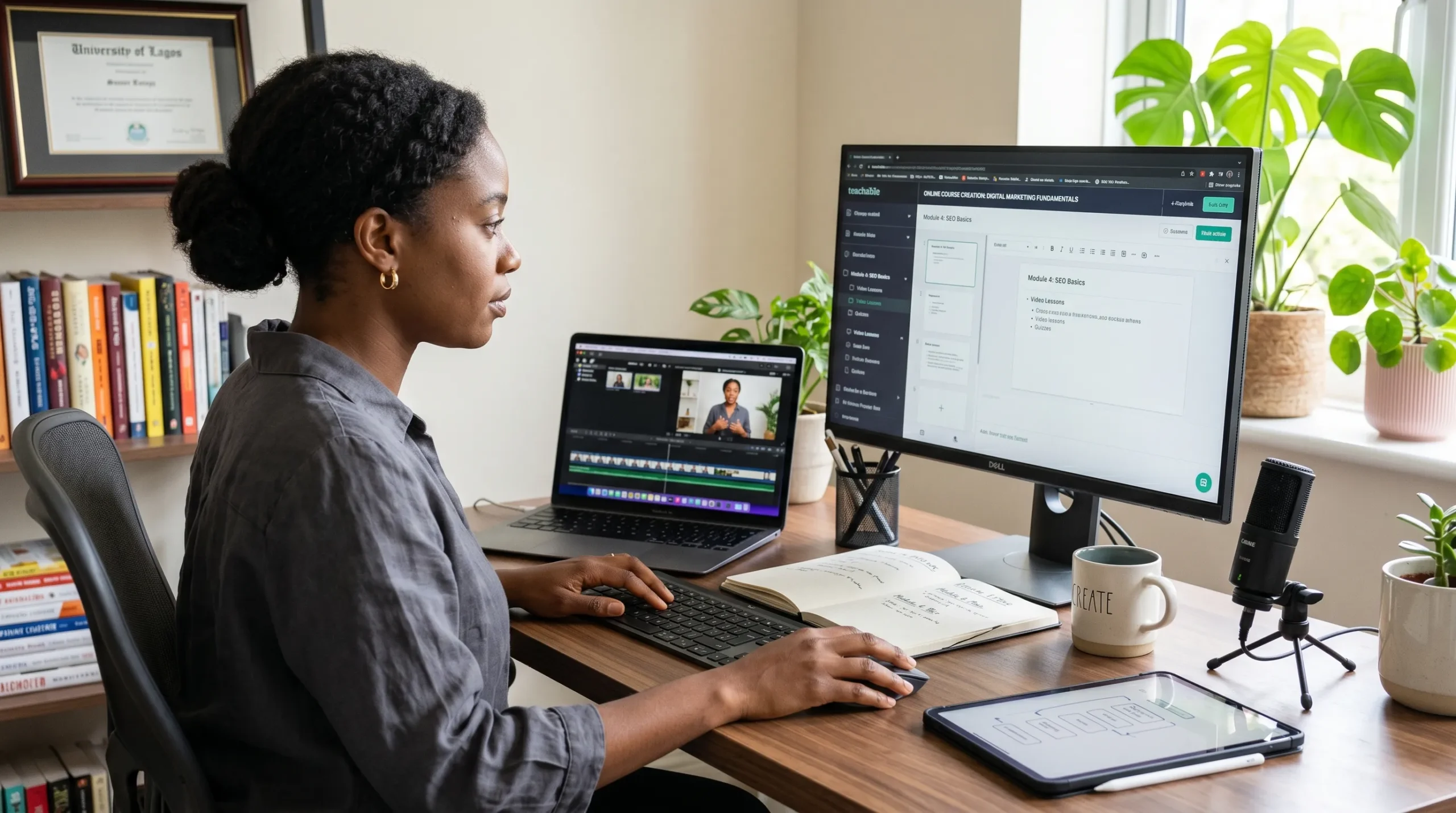
Developing engaging and effective online learning experiences for adults requires skill, and doing it successfully involves much more than putting classroom materials online. As educators and other professionals consider careers in this growing space, we look at the different pathways available to them.
What is learning design?
Learning design is the deliberate planning of learning experiences and involves a combination of learning theories, learning needs analysis, content structure, assessment and delivery. This skillset is particularly important when learning is delivered digitally as engagement and clarity don’t automatically happen in these environments. Senior Curriculum and Learning Designer Angela Carden says learning design is a strategic discipline. “The increase in online learning has opened doors for many people who may have historically been unable to access opportunities because of their location or personal commitments,” she says. “While this is fantastic, good learning experiences in these environments don’t happen by accident. They come about when learning design theory, research and inclusive practice are thoughtfully combined.”
What does a career in learning design look like?
There are many opportunities for learning designers to apply their skillset. They can work across higher education, vocational education and training, within government as well as not-for-profit and corporate organisations. Anywhere there is an opportunity to provide educational experiences online, there is an opportunity for a learning designer to enhance and elevate this experience in order to improve learning outcomes.
On a day-to-day basis, their work can include collaborating with subject matter experts to understand content, designing units of learning and also developing assessments. There is also a need to consider the needs of the learner in this process and how digital technology is best utilised for delivery. QUT Online Academic Delivery Lead Dr Bianca Frost says that the work of a learning designer requires strong interpersonal skills. “People in these roles need to be able to collaborate with a range of stakeholders to communicate priorities and deliver learner-centred outcomes,” she says. “There is also a great deal of critical thinking and problem solving required and is work is well-suited to people who enjoy a mix of independent and collaborative work.”
A transition out of the classroom
Like most professionals, teachers have transferable skills that can be applied in a range of settings. While many people find the profession rewarding, those looking for a change or transition may be interested in learning design. Experience in planning, assessment and supporting learners is a bonus for those looking to move into learning design. However, these skills however are not a formal prerequisite for entering the profession. “Learning design is certainly appealing for people who want to move out of the classroom but continue in education,” says Dr Bianca Frost. “While many teachers do make the transition, many people from non-traditional education backgrounds have also found success in this space.”
Future focussed careers
The flexibility provided by online learning is one of the drivers for it’s growing demand and this is likely to continue. While emerging technology may change how content is delivered and how students interact with it, we can expect that the critical thinking skills of learning designers will still be needed. They will be important for assessing the value of new tools before they are adopted and also ensuring that educational opportunities are inclusive so they can be accessed by a wide variety of people. Learner-centred and inclusive design is a critical component of good online learning design. “We can expect that future learning design will continue to require collaborative skills as well as digital capabilities,” says Angela Carden. “Like many professions, learning design is evolving along with digital technology but we need skilled learning designers to be constantly reviewing new technology and evolving their practice so that they aren’t just passengers, but drivers in this changing landscape.”
Transitioning into learning design
QUT Online’s Graduate Certificate in Education (Innovative Learning Design) is a specialised course to help build the necessary practical and theoretical capability for a career in learning design. The course focuses specifically on learning design for adult learners and online environments, distinguishing it from broader education courses. It gives students a wholistic understanding of the field through critical thinking, scholarly understanding and applied learning. “This course has been created for people wanting to increase their capability for a career in learning design from both a practical and theoretical perspective,” says Dr Bianca Frost. “This includes opportunities to develop their portfolio and deliver practical work that helps to prepare them for real roles.”
The course includes four units:
- Designing for learning
- Authentic Learning and Assessment
- Future Trends in Learning Design
- Inclusive Learning Design: Embracing Diversity
Missed it? Access this webinar on demand and start the journey toward your dream career.