
Few people follow a straight career path anymore. Whether changing industries, returning to study or reassessing professional goals, today’s workforce is navigating more career transitions than ever before. Professionals looking for change often move between industries, return to study, or reassess their goals at different stages of life. As these career pathways become more complex, the need for clear, informed guidance grows.
Career development and counselling play a key role in this decision-making process. Career counsellors support people in making sense of their choices, understanding the labour market, and taking practical steps towards sustainable employment.
Before exploring this further, it’s important to distinguish between career development and career counselling and how they differ.
What is career development?
Career development refers to the ongoing process of managing work, learning, and transitions across a person’s life. It is not limited to choosing a first job or entering the workforce. It includes:
- exploring study options
- building and updating skills
- navigating career changes
- adapting to shifts in the job market
In Australia, national policy frameworks emphasise the importance of career education from an early stage, recognising that informed decision-making supports both individuals and the broader workforce. While these frameworks often focus on young students, the underlying principles of career education and its objectives are highly relevant to professionals in the workforce. The frameworks promote identifying individual passions and strengths to inform career pathways. They also ensure that diversity is recognised and empowered in the decision-making process.
For professionals working in career counselling, the focus is not simply on “finding a job”. It’s about helping people understand how their interests, values, and capabilities connect to real opportunities.
What is career counselling?
Career counselling is a structured, client-focused process that supports individuals to make decisions about work and study. It involves working with people to:
- clarify goals and priorities
- assess skills and experience
- explore available pathways
- respond to challenges or uncertainty
Rather than providing direct answers, career counselling focuses on guiding people to develop their own informed choices. This approach is grounded in evidence-based frameworks and professional standards, ensuring that guidance is ethical and practical.
How career development differs from related fields
Career development and counselling are often confused with related professions. While there is some overlap, each has a distinct focus. The infographic below highlights these differences and can help you identify where your interests lie.
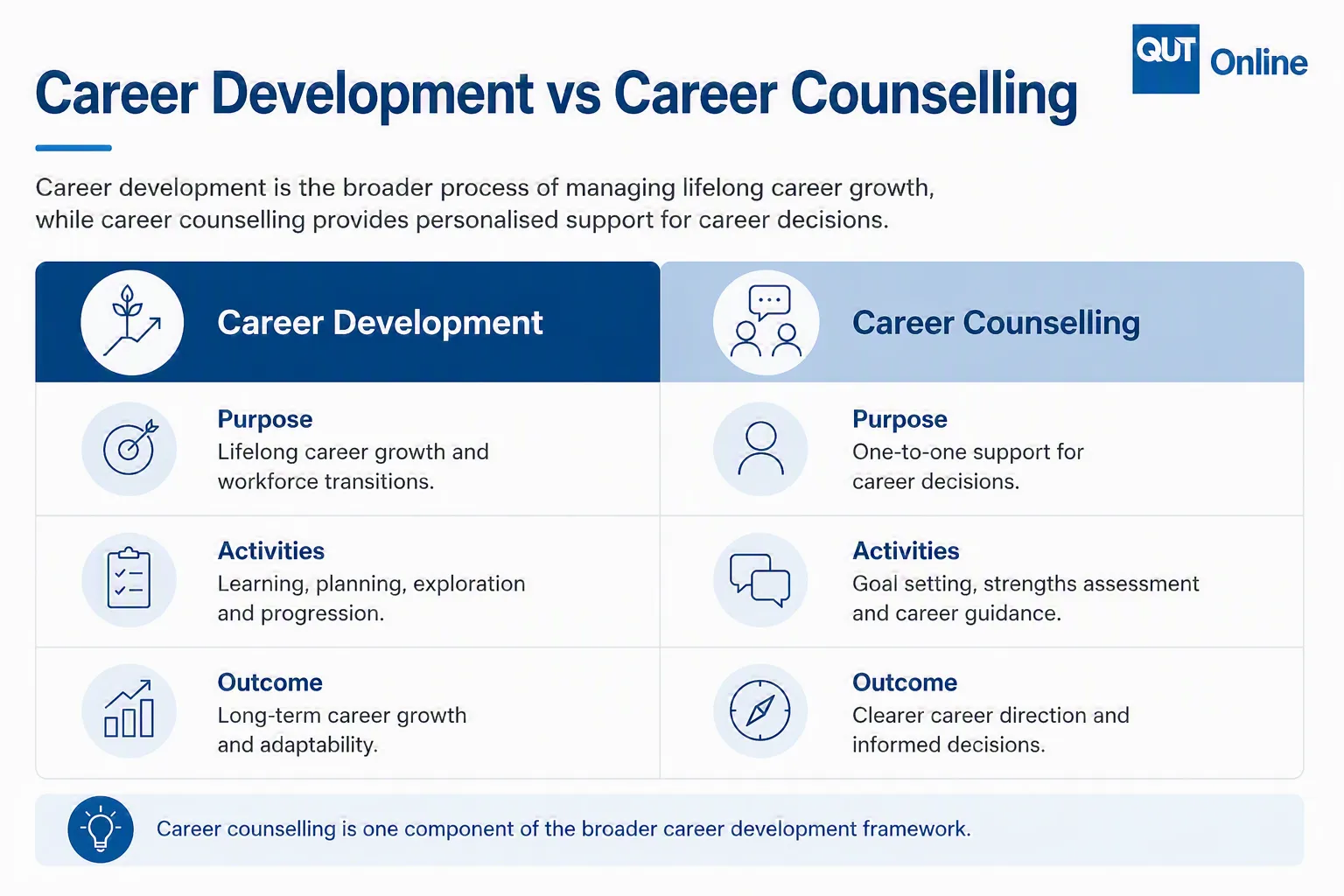
Figure 1: Career development vs Career counselling
Understanding these differences is important for choosing the right career path and determining where your skills can be most effectively applied.
Where career development practitioners work
Career development and counselling professionals operate across a range of industries. Their role varies by context, but the underlying objective remains consistent: helping people make informed decisions.
Common work settings for career development and counselling professionals include:
- schools, TAFEs and universities
- employment services and community organisations
- corporate environments and human resources teams
- private practice or consultancy
This diversity of industries reflects the growing recognition that career guidance is not limited to educational pathways but can benefit all job seekers.
Opportunities exist across both the public and private sectors, with growing demand for career practitioners in education, workforce development and organisational settings.
Skills needed to succeed in this field
Effective career development and counselling require a combination of interpersonal and analytical skills. These capabilities help practitioners provide structured, flexible support tailored to individual needs.
Key skills you will need to succeed include:
- Communication and active listening
Practitioners need to understand individual circumstances without making assumptions. Clear communication helps build trust and ensures relevant advice. - Labour market knowledge
Understanding employment trends, emerging roles and required qualifications allows practitioners to provide realistic guidance. This includes awareness of growing sectors such as health, technology, and education. - Critical thinking and problem-solving
Each individual’s situation is different. Practitioners must be able to interpret information, identify options, and support decision-making in uncertain conditions. - Ethical and professional judgement
Career guidance must align with established standards. This includes respecting confidentiality, avoiding bias, and ensuring advice is based on evidence. - Digital literacy
Career information is increasingly accessed and delivered online. Practitioners need to engage with digital tools, platforms, and labour market data to remain effective in their roles.
These skill areas reflect how the industry is changing, but they are not exhaustive. As industries evolve, professionals in this field need to stay current and responsive.
The importance of formal study
While some may enter this field through related experience, formal study plays a key role in developing professional capability. QUT Online offers a carefully curated Graduate Certificate in Education (Career Development and Counselling) that helps you gain the theoretical and practical knowledge to succeed in this field.
Achieving a postgraduate qualification in this field will provide structured learning in the following key areas:
- career development theory and frameworks
- counselling approaches and communication methods
- labour market analysis
- professional and ethical standards
Accreditation and alignment with recognised standards can also strengthen professional credibility. For example, some programs in Australia are endorsed by the Career Industry Council of Australia, ensuring they meet established professional standards.
For prospective students, this structure can help bridge the gap between interest and practical application.
Is this the right path for you?
Career development and counselling suit those interested in working with others to help them navigate their career trajectory. This profession requires patience, curiosity, and the ability to engage with different perspectives, while remaining objective and informative.
There is no single background required to enter the field, but if you are unsure where you may stand, explore the entry requirements to see whether your experience aligns with the program. Many practitioners come from education, human resources, community services, or related areas. What matters more is a willingness to build the skills needed to support others effectively.
Start a career that helps others build theirs
Career development and counselling focus on helping people make informed decisions about work and study in a rapidly changing world. The field combines practical knowledge with structured guidance, supporting individuals at different career stages.
As career pathways become less predictable, the demand for clear, evidence-based support continues to grow. If you are ready to step into the world of career development and counselling, apply now or contact us at 1300 104 196 and one of our course counsellors can help answer your questions.